
Secondhand shopping means buying previously owned goods, but pre-owned does not automatically mean poor quality. With careful inspection, reliable seller information, and a clear understanding of condition and return terms, shoppers can find durable clothing, electronics, furniture, and other goods at lower prices. The opportunity is substantial: the United Nations Environment Programme estimates that the fashion industry produces 2–8% of global greenhouse-gas emissions, while resale can extend the useful life of garments and reduce demand for new production. The key is to assess each item’s condition, authenticity, safety, and likely lifespan—not simply its age or price.
Quality Signals Define Secondhand Shopping Value
Quality is an item’s ability to perform its intended function reliably and for an appropriate length of time. In secondhand shopping, that judgment depends on more than appearance: construction, materials, maintenance history, completeness, and evidence of wear all matter. The Federal Trade Commission’s guidance on buying used cars offers a useful general principle: inspect condition and history, and get an independent assessment when the purchase is significant. For everyday goods, shoppers can apply the same logic through close inspection and seller questions.
Condition, construction, and signs of wear
Condition describes how closely an item’s current state matches its expected function. A small cosmetic mark may have little effect on performance, while a cracked housing, loose seam, warped frame, or missing component can signal a costly or unsafe problem. Check high-stress areas first: garment seams and fasteners, furniture joints and undersides, shoe soles and stitching, and electronic ports, screens, and batteries.
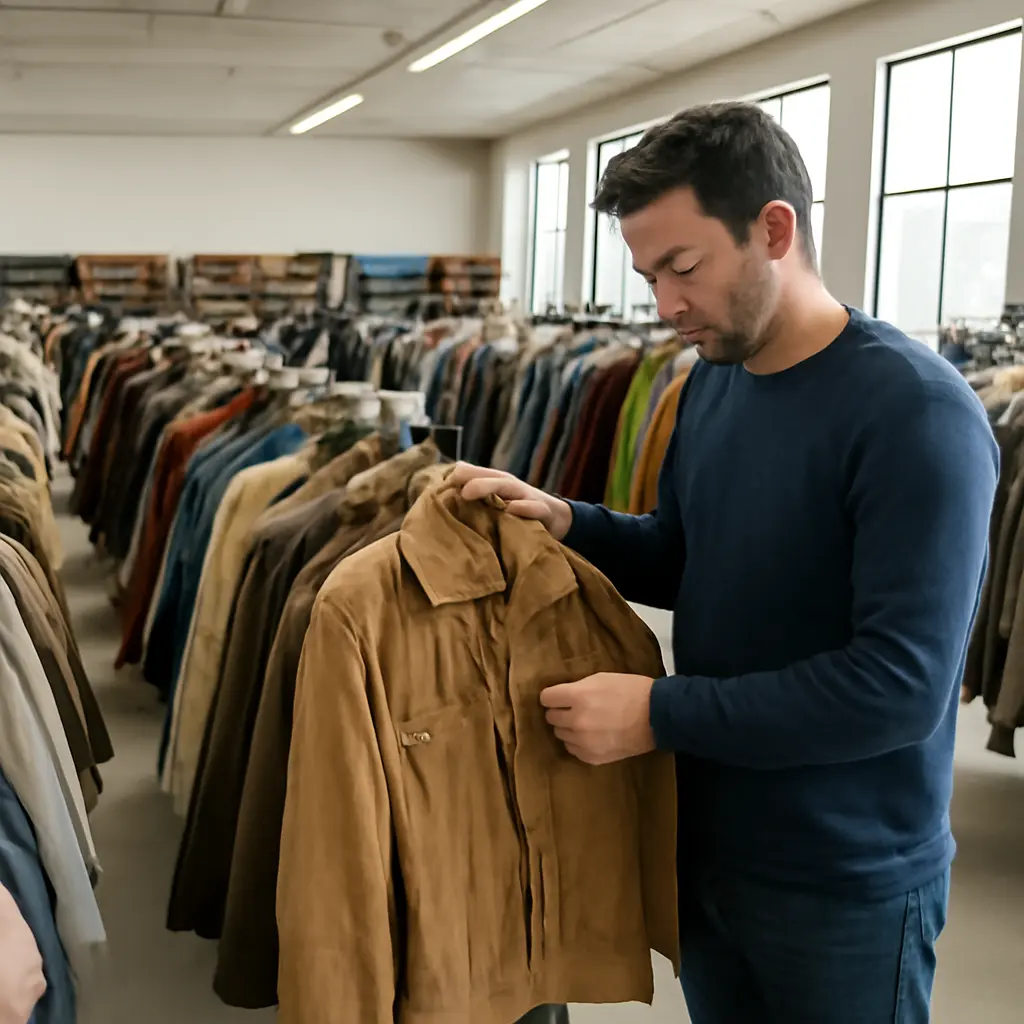
For clothing, inspect fabric under good light for thinning, stains, pilling, odors, and repairs. For furniture, gently test stability and look for water damage, pests, or loose hardware. For electronics, confirm that the device powers on, charges, connects, and performs the functions you need. A photo or product description is useful, but it cannot replace an in-person inspection when one is possible.
Materials, care, and useful lifespan
Material quality and maintenance affect how long a product remains useful. Natural fibers, durable synthetics, solid wood, metal components, and repairable designs can be positive indicators, but material alone is not a guarantee. Look for worn areas, prior repairs, replacement-part availability, and care labels or manuals. The U.S. Environmental Protection Agency’s waste-prevention guidance emphasizes extending product life through reuse and repair; the practical benefit to a buyer is greatest when the item can still be maintained after purchase.
A useful comparison is cost per expected use rather than sticker price alone. An inexpensive item that needs immediate repair may be a worse value than a pricier, well-maintained alternative. Before buying, estimate any cleaning, replacement-part, or repair costs and compare the total with the cost of a new equivalent.
Inspection Methods Reduce Secondhand Shopping Risk
Inspection is a structured check of whether an item is genuine, safe, complete, and fit for purpose. Different categories call for different tests, so a dependable approach moves from visible condition to function, history, and transaction terms. This is especially important for high-value purchases, where a brief test or independent evaluation can prevent expensive surprises.
Clothing and accessories
For apparel, check sizing, fabric condition, seams, zippers, buttons, lining, and care requirements. Examine bags and accessories for worn corners, damaged straps, broken clasps, and uneven stitching. If a brand name significantly affects the price, look for consistent logos, labels, hardware, and craftsmanship, and use a specialist authentication service for costly items when appropriate.
Cleaning and hygiene also matter. Confirm whether the item can be washed or professionally cleaned, and consider the expense before purchase. The U.S. Centers for Disease Control and Prevention recommends following product-specific cleaning instructions to reduce contamination risks; for secondhand textiles, laundering or suitable professional cleaning is a sensible first step.
Electronics, appliances, and furniture
For electronics, test core functions and inspect the charger, battery, display, buttons, speakers, and ports. Ask whether the device is factory-reset, unlocked if relevant, and free of account locks. Check whether replacement batteries, software updates, and repair services remain available. For appliances, test operating modes and inspect cords, seals, filters, and signs of leakage or overheating.
Furniture should be checked for structural stability, odor, moisture damage, and signs of insects. Confirm dimensions before arranging pickup, and ask whether all shelves, bolts, cushions, and other parts are included. The Consumer Product Safety Commission advises consumers to check whether used products have been recalled; this step is particularly important for children’s products and appliances.
Seller history, documentation, and returns
A trustworthy transaction includes clear descriptions, realistic photos, prompt answers, and terms that explain payment, delivery, and returns. Ask direct questions about defects, repairs, age, and included accessories. For vehicles and other major purchases, request maintenance records and arrange an independent inspection. Keep receipts, messages, and any written warranty information.
Online marketplace protections vary by platform and seller type. Read the specific return and dispute policy before paying, and use the platform’s recommended payment method. Be cautious of pressure to move a transaction off-platform, unusually low prices, or requests for irreversible payment. These checks do not guarantee a perfect purchase, but they make problems easier to identify and address.
Secondhand Shopping Can Deliver Financial and Environmental Value
Value combines price, expected performance, and the cost of ownership. Secondhand goods may offer meaningful savings, but discounts vary by category, condition, brand, and seller. There is no universal percentage that guarantees a good deal; compare the item with current prices for equivalent new and used products, accounting for repairs, shipping, cleaning, and any lost warranty coverage.
Compare total cost, not just the asking price
A sound comparison includes the purchase price plus likely near-term expenses. For example, a used desk may be an excellent buy if it is stable and needs only minor cleaning, while a low-priced laptop with a failing battery and no available replacement may cost more in the long run. Check several listings, research model-specific reliability concerns, and set a maximum price before negotiating.
The U.S. Bureau of Labor Statistics’ Consumer Expenditure Surveys track household spending across product categories, illustrating why purchase choices matter to household budgets. Although those surveys do not establish a guaranteed secondhand saving, they provide a useful context: shoppers can manage costs by comparing options and prioritizing items that meet a real need.
Reuse, repair, and resource conservation
Buying a usable pre-owned product can postpone disposal and avoid some of the materials, energy, and transport associated with manufacturing a replacement. The environmental benefit is strongest when a secondhand purchase replaces a planned new purchase and the item is used for a meaningful period. Buying more than needed, or discarding an item soon after purchase, can reduce that advantage.
Fashion is a prominent example. The United Nations Environment Programme identifies the sector’s substantial climate footprint and promotes more sustainable production and consumption. Resale, repair, and clothing reuse are practical ways to keep garments in circulation, but shoppers should still choose pieces they will wear and care for rather than treating low prices as a reason to overbuy.
A Practical Checklist Supports Better Secondhand Purchases
A repeatable checklist turns secondhand shopping from guesswork into informed comparison. Before committing, match the item to its intended use, verify condition, calculate total cost, and understand the seller’s terms.
- Identify the features and functions you actually need.
- Inspect high-wear areas and test the item whenever possible.
- Ask about age, repairs, defects, included parts, and usage history.
- Check recalls, authenticity, compatibility, and repair options where relevant.
- Compare the full cost with equivalent new and used alternatives.
- Review payment, delivery, warranty, and return terms before purchase.
- Clean, maintain, or repair the item appropriately after bringing it home.
Conclusion: Quality Comes From Careful Selection
Secondhand shopping does not mean settling for less quality. Condition and construction reveal how an item is likely to perform; category-specific inspection and seller checks reduce risk; and total-cost comparisons show whether a low price is genuine value. Reuse can also extend product life and support more resource-conscious consumption when shoppers choose items they will use and maintain.
Start with one category, use the checklist, and compare several options before buying. For further guidance, consult consumer-safety recall information, marketplace policies, repair resources, and reputable product-care instructions. A thoughtful secondhand purchase can be both practical and durable.
Sources: United Nations Environment Programme, Sustainability and Circularity in the Textile Value Chain: Global Stocktaking, https://www.unep.org/resources/publication/sustainability-and-circularity-textile-value-chain-global-stocktaking; Federal Trade Commission, Buying a Used Car, https://consumer.ftc.gov/articles/buying-used-car; U.S. Environmental Protection Agency, Reducing and Reusing Basics, https://www.epa.gov/recycle/reducing-and-reusing-basics; U.S. Centers for Disease Control and Prevention, Cleaning and Disinfecting Your Home, https://www.cdc.gov/hygiene/about/cleaning-and-disinfecting-your-home.html; U.S. Consumer Product Safety Commission, Recalls, https://www.cpsc.gov/Recalls; U.S. Bureau of Labor Statistics, Consumer Expenditure Surveys, https://www.bls.gov/cex/.