
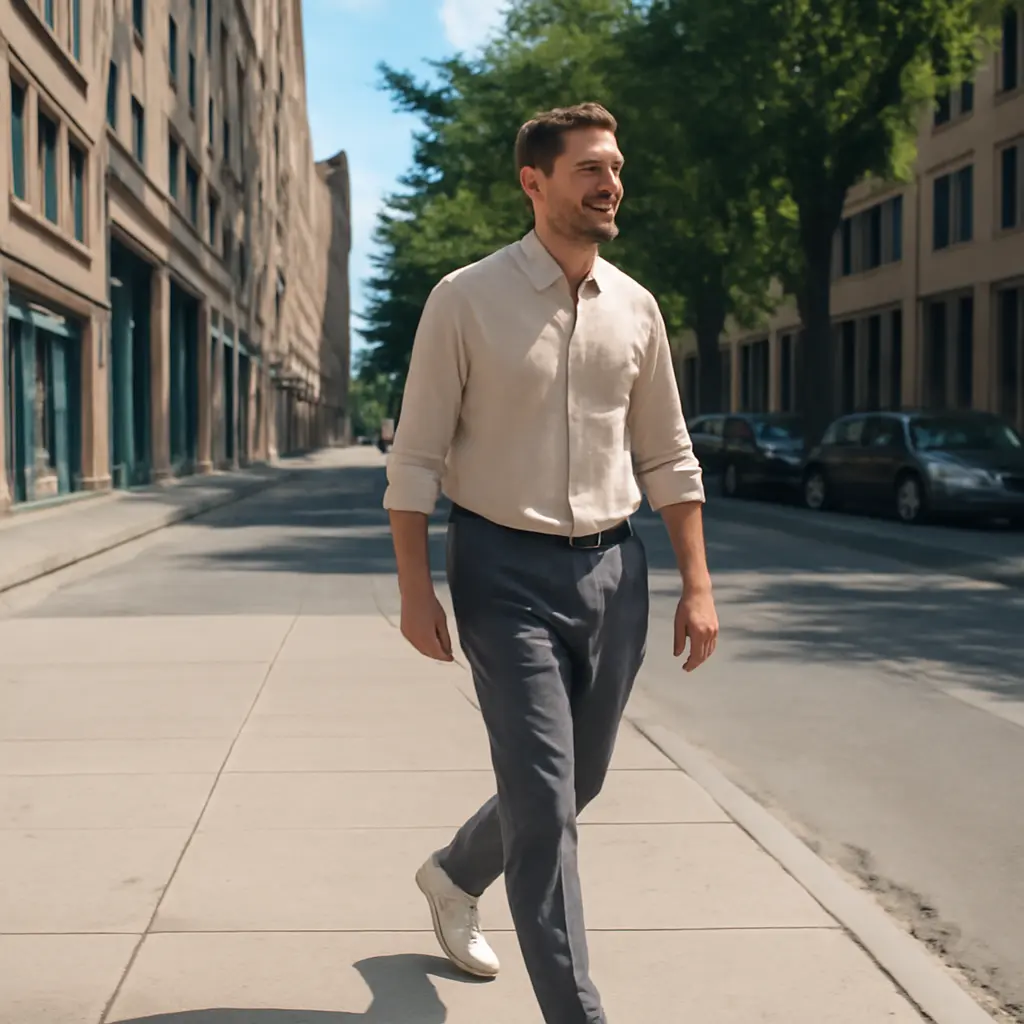
Dressing well in ninety-degree weather means choosing lightweight, breathable clothes that fit the setting—not defaulting to technical gear or a full “camping” look. Natural fibers such as linen and cotton, relaxed silhouettes, light colors, and a few polished accessories can help you stay comfortable while looking intentional. The heat matters: the U.S. Centers for Disease Control and Prevention advises people to wear lightweight, light-colored, loose-fitting clothing in hot conditions, while the Environmental Protection Agency notes that heat exposure can contribute to heat-related illness. Here’s how to build outfits that balance comfort, practicality, and personal style.
Build a polished hot-weather outfit from breathable clothing
A breathable hot-weather outfit is a combination of clothing and accessories that allows heat and moisture to escape while meeting the expectations of the occasion. There is no single official definition of “breathable clothing,” but the American Academy of Dermatology recommends lightweight, loose-fitting clothing for sun protection and comfort. The practical goal is to avoid heavy, tight layers without relying on garments that look exclusively athletic or outdoors-focused.
Start with three decisions: fabric, fit, and formality. Linen and lightweight cotton are useful everyday choices; a relaxed but deliberate fit promotes airflow; and simple details—such as a structured collar, clean shoes, or a leather belt—make an outfit look considered. These choices also support the CDC’s general hot-weather guidance to wear lightweight, loose-fitting, light-colored clothing.
Choose fabrics for airflow and comfort
Fabric weight and construction affect how a garment feels in heat. Linen is valued for its airy weave and casual texture, while lightweight cotton is versatile for shirts, dresses, and trousers. Cotton can absorb moisture, so a very damp cotton shirt may feel clingy; linen or a cotton-linen blend can be preferable when airflow is the priority. For active situations, moisture-managing performance fabric may be practical, but a tailored cut and understated color help it read as everyday clothing rather than trail gear.
Look for lightweight materials, open weaves, and garments that do not sit tightly against the body. Fabric choice is not a guarantee against overheating: shade, hydration, activity, humidity, and time outdoors all matter. The National Weather Service and CDC both advise reducing exposure and taking precautions during extreme heat, rather than treating clothing as a substitute for heat-safety measures.
Use relaxed tailoring instead of oversized layers
Relaxed tailoring means allowing room for movement and airflow while keeping the garment’s proportions intentional. Try a camp-collar or button-front shirt with straight-leg trousers, a linen-blend dress with a defined waist, or a light overshirt worn open over a simple top. The key distinction between relaxed and sloppy is fit: shoulder seams should sit near the shoulder, hems should look deliberate, and clothing should not bunch excessively.
This approach creates a natural bridge from comfort to polish. Once the shape is right, color and finishing details can make the same breathable basics work for errands, a casual office, or dinner.
Style hot-weather clothing without looking like you’re camping
Avoiding a camping look is less about banning practical clothing than about controlling how many outdoors-coded details appear together. Technical shorts, a fishing vest, hiking sandals, a utility hat, and a performance shirt may each be useful, but wearing them all at once can make an outfit look like equipment. Keep one functional piece, then balance it with cleaner lines, simple colors, and a more refined shoe or accessory.
Balance utility details with clean styling
Utility details include cargo pockets, webbing, drawcords, quick-dry finishes, and technical closures. Use them selectively. For example, pair practical pull-on shorts with a crisp linen shirt and minimal leather or canvas sneakers; or wear a technical sun shirt with tailored trousers rather than hiking pants. A streamlined bag and restrained accessories keep the outfit from reading as expedition gear.
A useful rule of thumb is to choose one overtly functional item per outfit. This is a styling guideline, not a scientific threshold, but it gives the rest of the look room to feel relaxed and urban. If you need more coverage for sun exposure, choose a lightweight long-sleeved shirt or a broad-brimmed hat that suits the setting rather than adding multiple bulky layers.
Choose light colors and purposeful accessories
Light-colored clothing can absorb less solar heat than dark clothing, and the CDC specifically recommends light colors for hot-weather dressing. Cream, pale blue, sage, and light khaki are easy to combine; a darker belt, watch, or shoe can add definition without making the outfit feel heavy. A clean silhouette and a small number of coordinated accessories look more deliberate than a collection of gear.
Sun protection should still be part of the plan. The American Academy of Dermatology recommends sun-protective clothing, shade, and sunscreen as complementary measures. A hat and sunglasses can be both practical and stylish, while sunscreen remains important for exposed skin. For long periods outside, choose clothing with adequate coverage and follow product directions for sunscreen reapplication.
Adapt ninety-degree outfits to the occasion
The best hot-weather outfit depends on what you will be doing. A casual day calls for easy, washable pieces; a workplace outfit may need a collar or more structured shape; and an outdoor event calls for sun protection and footwear suited to the ground. In every case, avoid overdressing for formality at the expense of heat safety, especially if you will be walking or standing outdoors.
Casual daytime outfits
For errands, lunch, or travel, combine a breathable shirt with tailored shorts or loose cotton trousers. Add simple sneakers, sandals appropriate to the setting, or loafers, then finish with sunglasses and a compact bag. A cotton poplin shirt worn open over a tank or tee can provide a light layer without the visual bulk of a jacket.
Work and smart-casual outfits
For work, choose a linen or lightweight cotton button-front shirt, a breathable blouse, or a simple dress with a polished shape. Pair it with unlined trousers, a midi skirt, or tailored shorts where dress codes allow. Clean, low-profile shoes and a structured bag add formality without adding much warmth. If indoor air conditioning is strong, carry a thin cardigan or overshirt rather than wearing a heavy layer outdoors.
Outdoor events and extended time in the sun
For a festival, picnic, or outdoor gathering, prioritize shade, coverage, and footwear you can comfortably wear for hours. A loose long-sleeved shirt, breathable trousers, or a light dress can protect more skin than a minimal outfit while remaining comfortable. The CDC recommends lightweight, loose-fitting clothing in heat, and the National Weather Service advises limiting strenuous activity during the hottest part of the day when possible. Plan breaks in shade and keep water available.
Use heat safety as part of getting dressed
Heat-safe dressing is clothing selected alongside sensible choices about hydration, shade, and activity. The CDC identifies heat-related illness as a serious risk during hot weather and recommends lightweight, loose-fitting clothing. Clothing alone cannot prevent heat exhaustion or heat stroke, so pay attention to official heat alerts and how you feel, especially during exercise or outdoor work.
Recognize when an outfit needs more coverage
More coverage can be useful when you are in direct sun for an extended period. Lightweight long sleeves, a hat, and sunglasses can reduce exposed skin, while shade and sunscreen provide additional protection. The American Academy of Dermatology recommends combining sun-protective clothing with other sun-safety measures rather than relying on a single item.
Know when to change plans
If you feel unusually weak, dizzy, nauseated, or confused in the heat, move to a cooler place and seek appropriate medical help. The CDC lists symptoms of heat-related illness and emphasizes prompt response to warning signs. For outdoor plans, check local forecasts and heat advisories, schedule strenuous activity for cooler hours, and carry water. These actions matter more than any fabric or styling choice.
Conclusion: Dress for heat with comfort and intention
A polished ninety-degree outfit starts with breathable fabric, a relaxed but purposeful fit, and light colors. To avoid looking like you’re camping, limit technical details, balance utility with cleaner pieces, and use simple accessories to match the occasion. For work, casual days, or outdoor events, combine style with heat and sun protection: seek shade, drink water, check local heat guidance, and adjust plans when conditions call for it. Use these principles to build a small rotation of warm-weather outfits that feels comfortable, appropriate, and distinctly your own.
Sources: Centers for Disease Control and Prevention, About Heat and Your Health, https://www.cdc.gov/heat-health/about/index.html; Centers for Disease Control and Prevention, Heat and People at Higher Risk, https://www.cdc.gov/heat-health/about/heat-and-people-at-higher-risk.html; American Academy of Dermatology, Sun-protective clothing, https://www.aad.org/public/everyday-care/sun-protection/sun-protective-clothing; National Weather Service, Heat Safety, https://www.weather.gov/safety/heat